

Obesity and Weight Loss Treatment in Thailand
2308
Obesity, characterized by a BMI of 30 or higher, raises health risks and can be managed through diet, exercise, and mental health support.

Obesity and Weight Loss Treatment in Thailand
Understanding Obesity
Obesity is a condition characterized by excessive body fat. It is a chronic and complex disease that can impact your overall health and quality of life. Obesity can lead to serious medical conditions and affect your self-esteem and mental well-being.
You’re not alone if you have obesity—it's a common condition affecting 2 in 5 adults in the United States. A healthcare provider can help you explore treatment options and strategies to manage your health.
Obesity Symptoms
What are the symptoms of obesity?
Obesity itself doesn't have specific symptoms, but healthcare providers typically diagnose it by calculating:
- Body Mass Index (BMI): This measures body weight relative to height and is used to classify obesity.
- Body Shape: Providers may also measure your waist circumference to assess fat distribution.
BMI Classifications
Healthcare providers classify obesity by your BMI. There are three general classes of obesity that providers use to decide what steps you can take to lose weight. Those classes are:
- Class I obesity: BMI 30 to less than 35 kg/m² (kilograms per square meter).
- Class II obesity: BMI 35 to less than 40 kg/m².
- Class III obesity: BMI 40+ kg/m².
When you think about the BMI scale, it’s important to remember the BMI scale doesn’t accurately predict specific health risks.
Waist Circumference
The location of extra weight on your body can indicate a higher risk of health problems related to obesity. According to the U.S. Centers for Disease Control and Prevention (CDC), a waist circumference over 35 inches in women or 40 inches in men may increase the risk of cardiovascular disease or Type 2 diabetes.
Causes of Obesity
Obesity occurs when you consume more calories than your body can burn. Several factors can contribute to eating more than your body needs:
- Medications: Certain medications, like antidepressants, steroids, and diabetes meds, may lead to weight gain.
- Disability: Physical or learning disabilities can make it harder to be active and manage weight.
- Eating Habits: Consuming too many calories, processed foods, sugary drinks, and foods high in saturated fat can lead to obesity.
- Genetics: Some people are genetically predisposed to obesity, affecting appetite and metabolism.
- Lack of Physical Activity: Spending too much time on screens can reduce time available for exercise.
- Lack of Sleep: Not getting enough sleep (less than 7 hours) can disrupt hunger-regulating hormones.
- Stress: Stress increases hunger hormones and often leads to cravings for high-fat, high-sugar foods.
- Underlying Health Issues: Conditions like metabolic syndrome or polycystic ovary syndrome, and mental health issues like anxiety or depression, can lead to overeating or weight gain.
What Are the Complications of Obesity?
Obesity can affect your body in many ways, leading to serious health issues. It can cause metabolic changes and both direct and indirect impacts on your health.
Metabolic Changes:
Your metabolism turns calories into energy. When you consume more calories than your body needs, extra calories are stored as fat. Over time, fat cells enlarge and release hormones and chemicals that cause inflammation.
This inflammation can lead to insulin resistance, where your body struggles to use insulin to regulate sugar and fats in your blood. High blood sugar and fat levels can cause high blood pressure, contributing to metabolic syndrome—a condition common in obesity. This increases your risk of several diseases, including:
- Cardiovascular Diseases: Obesity raises your risk of heart disease, heart attack, stroke, and heart failure.
- Fatty Liver Disease: Extra fat in your blood can be stored in your liver, causing inflammation and long-term liver damage.
- Gallstones: High cholesterol levels can lead to the formation of gallstones in the gallbladder.
- Kidney Disease: High blood pressure, diabetes, and liver disease are major causes of chronic kidney disease.
- Type 2 Diabetes: Obesity significantly raises the risk of developing Type 2 diabetes.
Obesity also increases the risk of premature death from various causes. However, losing 5% to 10% of your current weight can lower this risk.
Direct Effects
Excess body fat can put pressure on your respiratory organs and strain your musculoskeletal system, leading to issues like:
- Arthritis
- Asthma
- Back pain
- Obesity hypoventilation syndrome
- Sleep apnea
Obesity also increases the risk of various conditions and diseases, including:
- Certain cancers, such as esophageal, pancreatic, colorectal, breast, uterine, and ovarian cancer
- Depression and mood disorders
- Infertility and pregnancy complications in women
- Memory and cognitive problems, with a higher risk of Alzheimer’s disease and dementia
Start Your Weight Loss Journey with PULSE Clinic!

Contact us at info.bkk@pulse-clinic.com or chat on your preferred platform:
 +66 65 237 1936
  @PULSEClinic
  PulseClinic
Add us on Line and stay in touch.
Diagnosis and Tests
How do we diagnose obesity?
At your appointment, we will measure your weight, height, and waist circumference. We may also conduct body composition tests, such as a bone density scan or bioelectrical impedance analysis, which measures body fat based on how an electrical current moves through your body.
Most importantly, we will want to understand your overall health. We’ll ask about:
- Your medical history, including any past treatments, medications, and your family’s health.
- Your weight history and previous attempts at weight management.
- Your lifestyle, including eating habits, sleep patterns, and daily activity levels.
- Your mental well-being, including any stress or factors that could affect your eating habits.
We will also check your vital signs and may order blood tests. Using this complete profile, we will diagnose obesity and any related conditions you may have.
Obesity Treatment at PULSE Clinic
A trusted partner in your fight against stubborn pounds, weight loss medications, prescribed by healthcare professionals, can offer valuable support in your weight management journey. These medications naturally suppress appetite, helping you lose weight without causing unnecessary harm or side effects.
For those struggling with obesity, there is often an imbalance in key hormones that regulate hunger and energy. Specifically, those with obesity tend to have lower levels of GLP-1, a hormone that helps control appetite, while experiencing higher levels of Ghrelin, the hormone responsible for triggering hunger. This imbalance, known as energy dysregulation, disrupts the body's ability to efficiently manage energy intake and expenditure, making it harder to lose weight and maintain a healthy balance. Weight loss medications can play a crucial role in restoring this balance, making it easier to control hunger and manage weight effectively.
GLP-1 medications, also known as GLP-1 receptor agonists, help regulate blood sugar levels and promote satiety. Here are some examples:
We only use genuine and authentic Saxenda pens in all our clinics. Contact us if you have further questions or concerns about Saxenda®.
| Medication | Price |
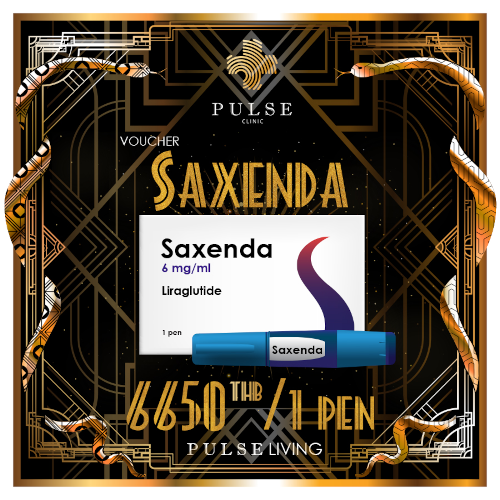 | Saxenda Liraglutide Injection 1 Pen 6,650 THB
|
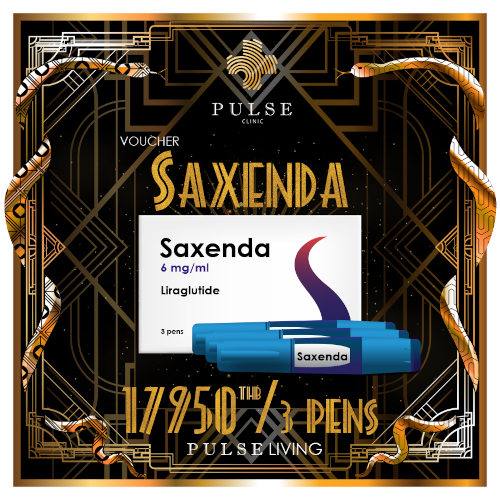 | Saxenda Liraglutide Injection 17,950 THB
|

Saxenda® Weight Loss Injection Pen: Packages and Promotions at PULSE Clinic
| Special Offers | Price* | |
| Liraglutide injection (Saxenda®) 1 pen | 6,650 THB | |
| Liraglutide injection (Saxenda®) 3 pens | 10% off | 19,950 17,950 THB |
| Liraglutide injection (Saxenda®) 5+1 pens | Buy 5 Pens and Get 1 Free | 39,900 33,250 THB |
| Liraglutide injection (Saxenda®) 10+13 pen | Buy 10 Pens and Get 3 Free | 86,450 66,500 THB |
*Consultation fee included!
We only use genuine and authentic Saxenda pens in all our clinics.
Contact us if you have further questions or concerns about Saxenda®
Price of Ozempic in PULSE Clinic (Thailand)
Prices for the Semaglutide pen (Ozempic) at PULSE Clinic
| Amount | Prices |
| 0.5 mg | 15600 THB |
| 1 mg | 16700 THB |

Other Weight Loss Medication Options (Semaglutide) Available at PULSE Clinic
| Medication | Prices |
| Ozempic® Weight Loss Injection 0.5 mg | 15,600 THB |
| Ozempic® Weight Loss Injection 1 mg | 16,700 THB |
| Rybelsus® Weight Loss Oral Tablets 30 tablets | 11,500 THB |
Start Your Weight Loss Journey with PULSE Clinic!
Contact us at info.bkk@pulse-clinic.com or chat on your preferred platform:
+66 65 237 1936 @PULSEClinic PulseClinic
It’s important to seek professional guidance throughout your weight loss journey. Consulting a healthcare professional ensures that your approach is both safe and effective.
Remember, weight loss isn't about meeting societal expectations or achieving a specific appearance. It's about prioritizing your health and feeling your best.
Disclaimer: This article is for informational purposes only and should not be considered a substitute for professional medical advice. Always consult a healthcare professional before making any significant changes to your diet or exercise routine.
Add us on Line and stay in touch.
Loading...
Clinic Locations
Loading...