When Should You Get HIV Test After Exposure?
The accuracy of an HIV test depends on the time elapsed since potential exposure and the type of test used. During the window period, HIV may be present in the body, but the test may not detect the infection yet.
If you’re planning to take an HIV test after 1 week, 2 weeks, 3 weeks, 4 weeks, 6 weeks, or 3 months, understanding the window period can help you choose the appropriate test and determine when you might need to retest.
HIV test after 1 week
An HIV test taken 1 week after potential exposure is generally too early to reliably rule out HIV infection. While most tests cannot detect HIV this soon, a nucleic acid test (NAT), also known as an HIV RNA test, may begin detecting infection from around 10 days after exposure. However, a negative result at 1 week does not exclude HIV.
Tests you should get: Seek medical advice about whether early testing is appropriate and schedule follow-up testing after the relevant window period. If the exposure occurred within the past 72 hours, seek urgent medical attention to discuss HIV post-exposure prophylaxis (PEP).
HIV test after 2 weeks
An HIV test after 2 weeks (14 days) may detect an infection with an HIV RNA test, but it is still too early for a negative result to reliably rule out HIV. A fourth-generation HIV antigen/antibody test performed in a laboratory may detect some infections at this stage, but its window period extends beyond 2 weeks.
Tests you should get: Consider an HIV RNA test if early detection is clinically appropriate and plan a follow-up fourth-generation test according to medical advice.
HIV test after 3 weeks
At 3 weeks (21 days), an HIV RNA test can usually detect infection within its window period of 10–33 days. A laboratory-based fourth-generation HIV antigen/antibody test can also detect many infections by this point, although some infections may not yet be detectable.
Tests you should get: A fourth-generation laboratory test is a useful option at this stage. If the result is negative, repeat testing after the test’s full window period to confirm the result.
HIV test after 4 weeks
At 4 weeks (28 days), a fourth-generation HIV antigen/antibody test performed on blood drawn from a vein can detect most infections, making it a useful option for testing after a recent exposure. However, its recognized window period is 18–45 days, so a negative result at 28 days is not conclusive for every infection.
Tests you should get: Obtain a laboratory-based fourth-generation test. If the result is negative, adhere to the testing clinic’s instructions regarding repeating the test within the 45-day window period.
HIV test after 6 weeks
At 6 weeks (42 days), a laboratory-based fourth-generation HIV antigen/antibody test is highly informative and is nearing the end of its typical 18–45-day window period. However, 42 days is slightly earlier than 45 days, so a negative result may require follow-up based on the testing guidelines and your specific circumstances.
Tests you should get: Consider a fourth-generation laboratory test. If the result is negative, complete follow-up testing at or after 45 days when advised. Rapid tests and antibody-only self-tests may have longer window periods, so check the test you used.
HIV test after 3 months
At 3 months (90 days), antibody tests, including most HIV self-tests, have reached the end of their usual window period. A negative result at this stage can rule out HIV from the exposure being assessed, provided there have been no subsequent exposures and no factors necessitating a different testing schedule.
Tests you should get: If you used an antibody-only rapid test or self-test, testing at 90 days is an important follow-up point. If you previously tested negative with a laboratory-based fourth-generation test after its full window period, another test at 3 months may not be necessary unless your healthcare professional recommends it.
- Under the Anonymous HIV Testing & Screening Programme, any local or foreign individual may walk-in or book an appointment
- The anonymous HIV test is strictly confidential.
- No personal information is required regardless of the HIV test results.
- We are 100% private and not linked to the government system. The government will not know the results.
- We do not have to report test results to the government. Your test results will be confidential.
- Anonymous HIV Testing is available everyday, 365 days per year (Monday to Sunday, including public holidays) at PULSE CLINICS throughout Asia (Except in Singapore).
- You may walk-in or book an appointment any time during open our.
- Simply approach the reception and indicate that you require an anonymous testing.
- The reception will automatically process your request and provide guidance.
- All discussions are kept discreet and confidential.
- During your private consultation, you can speak to the doctor about your HIV-related concerns.
- Your assigned or requested staff/doctor will administer the relevant HIV tests.
Find PULSE Clinic Near You for HIV Testing
| PULSE CLINIC Silom HQ | Address: 60/3 Silom Road, Suriyawong, Bangkok - BTS Sala Daeng Exit 3, MRT Silom Exit 2
Opening hours: 09.30 AM - 10.30 PM DAILY (365 days/year)
Call: +66652371936
Whatsapp: +66652371936
Line: @pulseclinic
Email: info.bkk@pulse-clinic.com |
| PULSE CLINIC Nana | Address: Trendy Building, Soi Sukhumvit 13, Khlong Tan Nuea, Watthana, Bangkok 10110
Opening hour: 09.30AM - 6.30 PM DAILY (365 days/year)
Call: +66959156385
Whatsapp: +66652371936
Line: @pulseclinic
Email: info.bkk@pulse-clinic.com |
| PULSE CLINIC Asoke | Address: 216B-C, Second Floor Time Square Building 246 Sukhumvit 12-14 Road, Khlong Toei, Bangkok 10500
Opening hour: 09.30AM - 6.30 PM DAILY (365 days/year)
Call: +66647426528, 02-115-0114
Whatsapp: +66652371936
Line: @pulseclinic
Email: info.bkk@pulse-clinic.com |
| PULSE CLINIC Phromphong | Address: 1/37 Soi Sukhumvit 39, Khlong Tan Nuea, Watthana, Bangkok 10110
Opening hours: 09.30 AM - 6.30 PM DAILY (Closed Saturday-Sunday)
Call: +66924979353
Whatsapp: +66652371936
Line: @pulseclinic
Email: info.bkk@pulse-clinic.com |
| PULSE CLINIC South Pattaya | Address: 194 13, 2nd Road Pattaya, Nong Prue, Bang Lamung, Chonburi 20150
Opening hours: 09.00 AM - 8.00 PM DAILY (365 days/year)
Call: +66628287969
Whatsapp: +66628287969 |
| PULSE CLINIC North Pattaya | Address: Pattaya-Na Kluea Road, Pattaya City, Bang Lamung, Chonburi 20150
Opening hours: 09.00 AM - 7.00 PM DAILY (365 days/year)
Call: +66842362259
Whatsapp: +66842362259 |
| PULSE CLINIC Chiang Mai | Address: 30/2-3, Nimmanhaemin Roadm, Sutep, Mueang, Chiang Mai 50200
Opening hours: 09.00 AM - 7.00 PM DAILY Call: +66994797168
Whatsapp: +66652371936
Email: info.cnx@pulse-clinic.com
Line: @pulseclinic |
PULSE CLINIC Patong | Address: 127 2 Rat Uthit Road, Kathu District, Phuket 83150
Opening hours: 09.00 AM - 6.00 PM DAILY Call: +66952615282
Line: pulsephuket
Email: info.phuket@pulse-clinic.com |
PULSE CLINIC Phuket Town
| Address: 218, 1, Phuket Road, Taladyai Subdistrict, Muang, Phuket 83000
Opening hours: 09.00 AM - 7.00 PM DAILY Call: +66640591495
Line: pulsephuket
Email: info.phuket@pulse-clinic.com
|
PULSE Clinic Phuket International Airport | Address: Thep Krasat Tri-Nai Yang Rd, Sakhu, Thalang District, Phuket 83110
Opening hours: 09.00 AM - 6.00 PM, Closes on Tuesdays
Call: +66962586091
Line: pulsephuket
Email: info.phuket@pulse-clinic.com
|
| PULSE Clinic Koh Samui | Address: 13/1, Village No.5, Bo Put, Ko Samui, Surat Thani, 84320
Opening hours: 09.00 AM - 6.00 PM Sun-Fri
Call: +66839042826
WhatsApp: +66839042826 |
PULSE CLINIC
Online Department | Call: +66842262569
Whatsapp: +66842262569
Line: @pulserx |

For more information about getting HIV test and treatment at PULSE Clinic, contact us at info.bkk@pulse-clinic.com or chat with us via one of the following platforms:

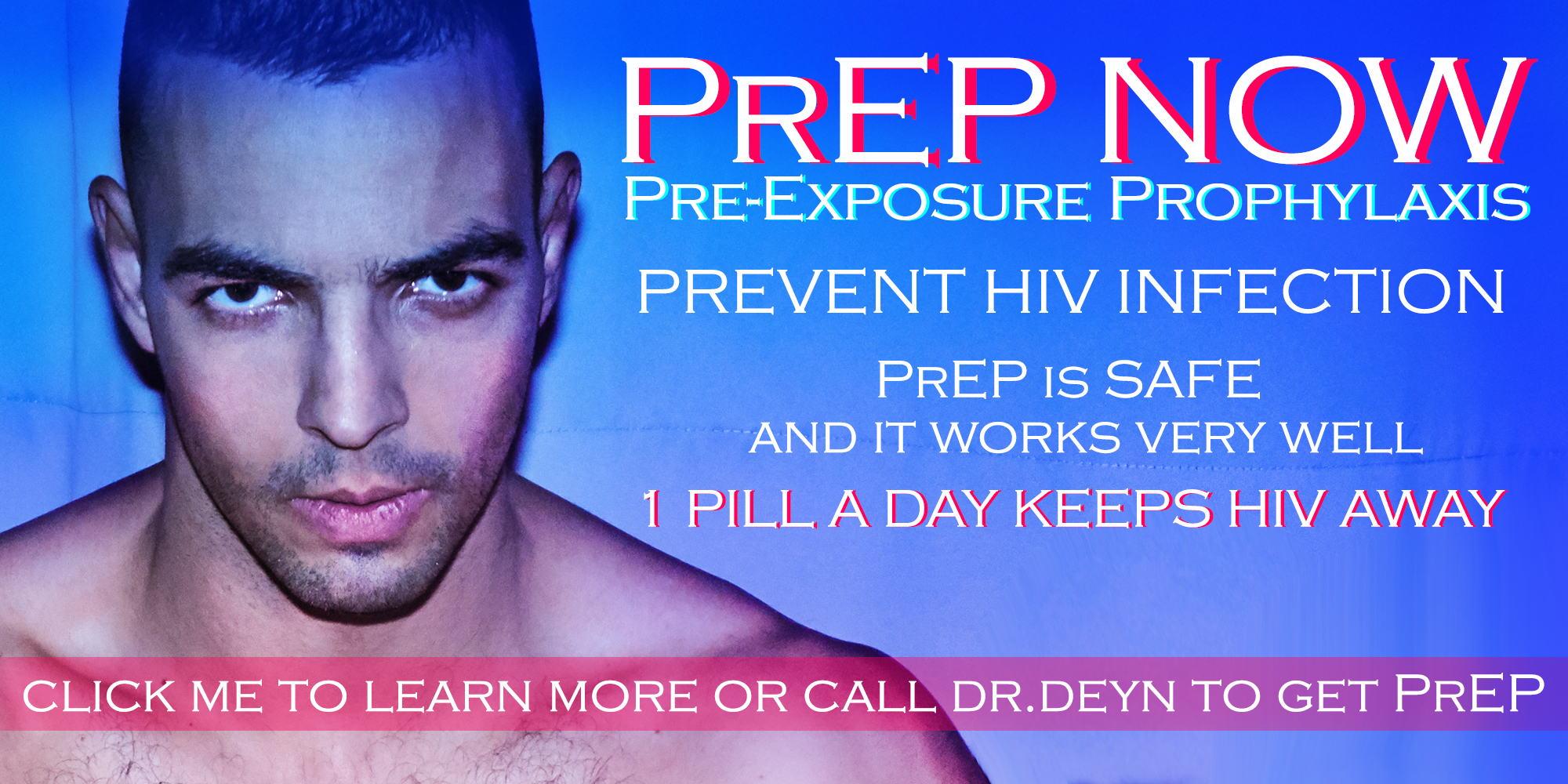
#BuyPrEPonline #iwantprepnow #PrEPatPULSE #PulseClinicBKK #PrEPinBangkok #prepinKL #prepinMalaysia
#prepinPhuket #prepinHongKong #prepasian
Frequently Asked Questions About the HIV Testing Window Period
What is the window period for HIV testing?
The HIV testing window period is the time between a potential HIV exposure and when a test can reliably detect an infection. During this period, a person may have HIV but still receive a negative test result because the virus or the body's response to it has not reached detectable levels.
The window period varies depending on the type of HIV test used.
How long is the window period for an HIV test?
The window period depends on the test method:
- HIV RNA PCR (NAT) test: Usually 10–33 days after exposure.
- 4th-generation HIV antigen/antibody laboratory test: Usually 18–45 days after exposure.
- Rapid HIV antigen/antibody test using a finger-prick sample: Usually 18–90 days after exposure.
- HIV antibody test, including most self-tests: Usually 23–90 days after exposure.
These are typical detection ranges. Our doctor can advise when to test and whether follow-up testing is necessary.
Can I test for HIV 7 days after exposure?
An HIV test taken 7 days after exposure is generally too early to reliably rule out infection. Most HIV tests cannot detect HIV this soon. An HIV RNA PCR test can detect infection earlier than other common tests, usually from around 10 days after exposure, but a negative result at 7 days does not rule out HIV.
If you may have been exposed to HIV within the past 72 hours, seek medical advice about post-exposure prophylaxis (PEP) immediately rather than waiting for a test.
When is the best time to get an HIV test after exposure?
The best testing time depends on the type of test and your circumstances. An HIV RNA PCR test may detect infection earlier, while a laboratory-based 4th-generation HIV test is commonly used to detect HIV during early infection.
If you test early and receive a negative result, you may need another test after the full window period for your test. A healthcare professional can help determine the most appropriate testing schedule.
Is a 4th-generation HIV test accurate after 14 days?
A 4th-generation HIV test may detect some infections after 14 days, but this is earlier than its usual detection window of 18–45 days for a laboratory test using blood from a vein. Therefore, a negative result at 14 days cannot reliably exclude HIV infection.
For a more conclusive result, follow your healthcare provider's advice about testing again after the recommended window period.
Is an HIV test conclusive after 28 days?
A negative result at 28 days is reassuring, particularly when using a laboratory-based 4th-generation HIV test, but it is still within the usual 18–45-day window period for this test.
For an antibody test or a rapid finger-prick antigen/antibody test, the window period can be longer. You should follow the recommended retesting schedule for the specific test you took.
Is an HIV test conclusive after 45 days?
A negative result 45 days after exposure is generally considered conclusive for a laboratory-based 4th-generation HIV antigen/antibody test, provided there have been no further exposures and no factors requiring a different testing schedule.
However, rapid tests and antibody-only tests may require up to 90 days. If you used PEP or PrEP, consult a healthcare professional because antiretroviral medication can affect test detection and follow-up recommendations.
Is an HIV test conclusive after 90 days?
A negative HIV test 90 days after a potential exposure is generally conclusive for standard antibody tests and rapid tests when the test is used according to its instructions, there have been no subsequent exposures, and no special circumstances affect the result.
If you have taken PEP or PrEP, follow your clinician's recommended testing schedule rather than relying on the standard window period alone.
Can I have HIV and still test negative during the window period?
Yes. A person can have HIV and receive a negative result if the test is performed before the infection becomes detectable. This is why a negative result obtained too early should not be treated as definitive.
If you have had a potential exposure, arrange follow-up testing at the appropriate time, even if you feel healthy or have no symptoms.
Do HIV RNA PCR tests have a shorter window period than 4th-generation tests?
Yes. HIV RNA PCR tests, also called nucleic acid tests (NATs), detect the virus's genetic material and can usually detect HIV around 10–33 days after exposure.
A laboratory-based 4th-generation test detects both the p24 antigen and HIV antibodies and usually detects infection 18–45 days after exposure. The most suitable test depends on when the exposure occurred and your clinical circumstances.
Does taking PEP or PrEP affect the HIV testing window period?
Yes. Antiretroviral medications used for PEP or PrEP can affect how soon HIV infection becomes detectable. People who have taken these medications may need a different testing schedule, sometimes involving both laboratory antigen/antibody testing and HIV RNA testing.
If you have taken PEP or PrEP, tell your healthcare provider so they can recommend the appropriate tests and timing.
Do I need to repeat an HIV test if my result is negative?
You may need to repeat the test if it was performed during the window period. For example, a negative result from a laboratory-based 4th-generation test before 45 days may require follow-up, while an antibody-only test may require testing at 90 days.
If you have had another potential exposure since your previous test, your testing timeline starts from the most recent exposure. Follow your healthcare provider's advice for your specific circumstances.

 Dr.Deyn