Get Emergency PEP in Bangkok | Same-day PEP for HIV Prevention
10761
Need emergency HIV prevention treatment in Bangkok? Get same-day PEP access, HIV testing, and English-speaking HIV services at PULSE.


Condom Broke? Get Emergency PEP in Bangkok | Same-day PEP for HIV Prevention
HIV PEP (Post-Exposure Prophylaxis) is an emergency medication that can prevent HIV infection after possible exposure. It involves taking antiretroviral medication for 28 days, starting within 72 hours for maximum protection. Bangkok offers accessible sexual health services, including private clinics and hospitals providing fast, confidential care. Tourists, expats, and locals can access same-day PEP consultations, HIV testing, and treatment through English-speaking healthcare providers experienced in LGBTQ+ and international patient care.
Get PEP at PULSE in less than an hour today!

Contact us at info.bkk@pulse-clinic.com or chat on your preferred platform:

What to Do After Condom Broke
Condoms are indispensable tools for safeguarding sexual health by preventing both sexually transmitted diseases (STDs) and unintended pregnancies.
However, despite their reliability, instances of condom (broke) breakage, breakage, or slippage can occur, exposing individuals to potential risks. The dangers associated with condom mishaps and explore the medical solutions available to address them effectively. Let us understand what emergency PEP, or emergency post-exposure prophylaxis (PEP) is as a preventive treatment strategy for HIV and STDs.
What is Post-Exposure Prophylaxis?
Post-exposure prophylaxis (PEP) is a critical intervention offered following potential exposure to some of the most common STDs like HIV, gonorrhoea, chlamydia, and syphilis, and through condom mishaps or other high-risk sexual activities.
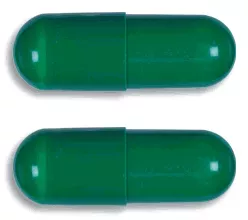
Pre-exposure prophylaxis (PEP) for HIV is a common emergency HIV prevention option. PEP is available in the form of an oral medication that needs to be taken daily for 28 days. (It’s a once-a-day pill.) PEP must be started within 72 hours, or 3 days, of possible exposure. Starting earlier is recommended because it can enhance the effectiveness of the medication.
When Should You Get PEP?
HIV exposure might be more prevalent than you realize. PEP (Post-Exposure Prophylaxis) is a game-changer in reducing HIV transmission. A study in 1997 shows that it can help reduce HIV in healthcare workers by 81%. It can significantly lower the risk by 80-90%, making it particularly useful in challenging situations that could potentially expose you to HIV, such as:
- Condom break during sex
- Unprotected sex
- Sexual assault
- Needle-sharing exposure
- Occupational exposure
Prompt action is required when you find yourself in these situations. It is best to initiate PEP within 24 hours, but the maximum window is 72 hours.
How Effective Is HIV PEP?
PEP, when taken correctly, is highly effective in reducing HIV risks by 80-90%. It works best when started as soon as possible and completed in full without missing any doses. Additionally, a follow-up HIV test is necessary after completing the 28-day PEP course to confirm its effectiveness and ensure that you are HIV-negative.
Where to Get HIV PEP in Bangkok
PULSE offers same-day PEP access to anyone in need, regardless of location. Whether you’re a local seeking private sexual health care, an expat in Thailand, or a tourist needing emergency HIV prevention, PULSE has you covered. As Bangkok’s premier LGBTQ+ friendly sexual health provider, we offer English-speaking staff and multiple branches. With walk-in and online appointments, PULSE ensures hassle-free access to PEP.
PULSE Bangkok HIV PEP Clinics
Prevent HIV with Emergency HIV PEP
HIV Post-Exposure Prophylaxis (PEP) is crucial for reducing the risk of HIV transmission after potential exposure through condom mishaps or risky sexual activities. PEP involves taking antiretroviral medication within 72 hours of exposure. If there’s suspicion of HIV exposure, seek immediate medical attention for assessment and potential PEP treatment.
Even if you missed the 72-hour window, you should still consult a doctor for a consultation and STD test to ensure you’re not contracting any infections from the condom failure. A negative test may suggest PrEP for HIV prevention, while a positive test requires immediate treatment. Early treatment increases the chances of curing curable STDs, reduces the risk of health complications, and prevents further transmission to sexual partners.
PEP Side Effects and Safety
PEP, when first starting the medication, can cause mild side effects. The most common symptoms include
- Nausea
- Fatigue
- Headaches
These side effects are usually temporary and should resolve on their own. However, if you experience severe side effects, consult your doctor. It’s important not to discontinue PEP on your own, as this could lead to HIV complications.
PEP medications are safe when used correctly. Avoid stopping or increasing the dosage. Modern HIV medications are safe and highly effective when taken as prescribed. However, it’s crucial to use PEP only as an emergency option. If you have a high risk of HIV, we recommend starting PrEP to reduce the risk of HIV before sex.
What Happens During a PEP Consultation?
When you visit our healthcare provider for an appointment, they’ll conduct a brief risk assessment to determine if PEP is suitable for you.
Following the assessment, a quick blood test will be performed. This initial test will check for any existing HIV infection and assess your kidney and liver health. If you’re currently HIV negative and don’t have any underlying health issues, we’ll prescribe you a 28-day course of PEP.
What is included in PEP package at PULSE are:
- Doctor consultation
- HIV rapid test
- Hepatitis B antigen test
- Kidney function test
- 28 days supplies of PEP medication
A follow-up schedule may be scheduled by your doctor. This step is crucial in confirming the effectiveness of the PEP. Don’t worry if you might not be able to return to us after completing the PEP. We’ve got you covered! If you need to leave the country or can’t return to PULSE by the time of your follow-up appointment, consult with your doctor about your situation.
*It’s important to remember that the first 72 hours after potential HIV exposure are vital for the effectiveness of PEP. While we can’t prescribe PEP if you’re already HIV positive, we can certainly guide you through the treatment plan.
Trusted by over 100,000 patients from more than 196 countries and regions, PULSE CLINIC provides discreet, professional healthcare with privacy and respect at every step. Here to Help. Not to Judge!
What’s the Difference between PEP and PrEP?
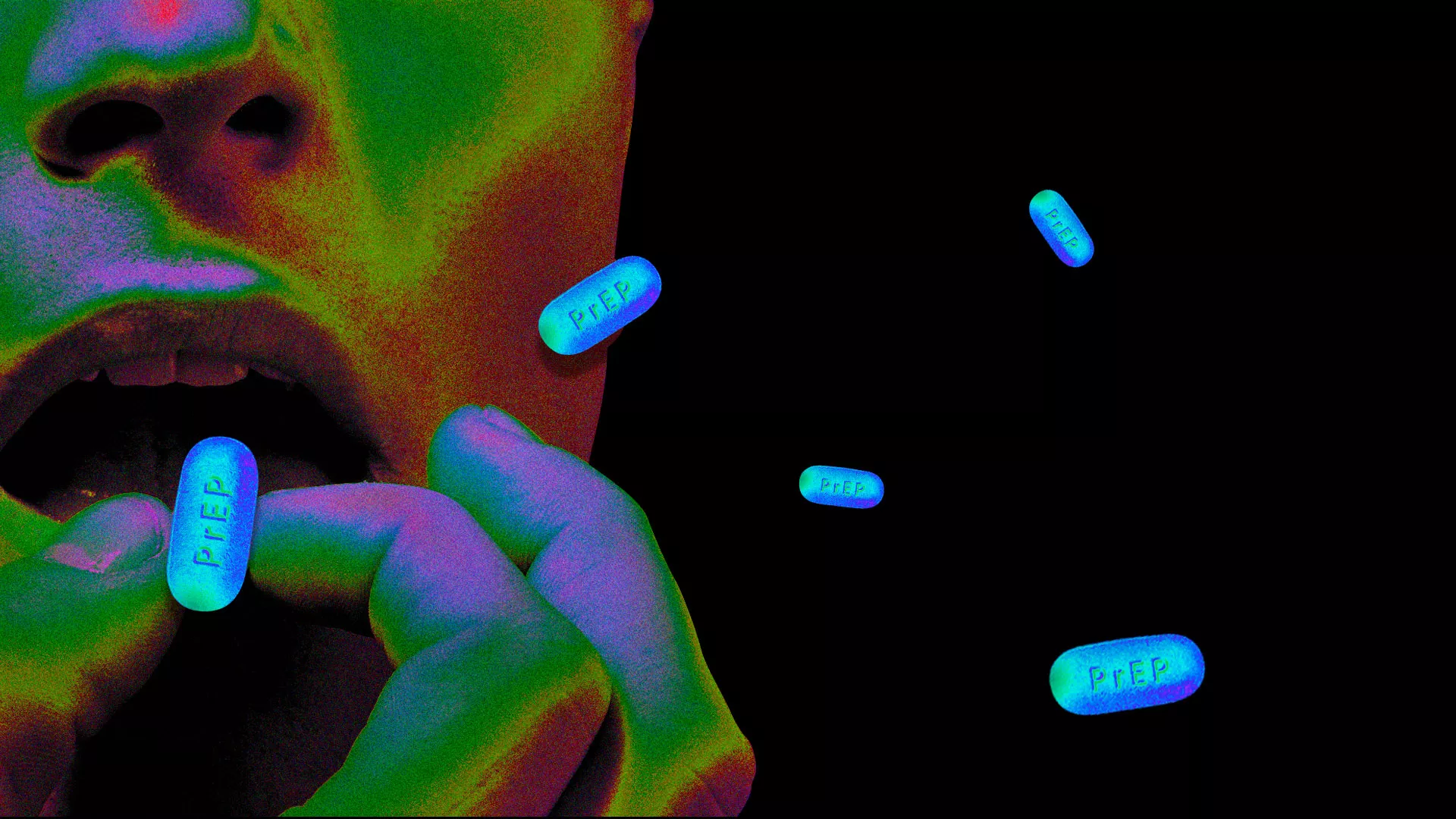
PEP, stans for Post-Exposure Prophylaxis, is a medication used after exposure to a potentially infectious agent. PrEP, stands for Pre-Exposure Prophylaxis, which means it’s used before exposure, is used to reduce the risk of getting HIV. The main difference between PEP and PrEP lies in when and how they’re used.
PEP is more of an emergency HIV prevention plan used for unexpected risks, while PrEP is a prevention measure taken before the risks occur as an ongoing prevention option.
HIV PEP for Tourists in Thailand
PULSE offers PEP access to foreigners, whether you’re residing in Thailand or visiting for a short duration. All PULSE branches have English-speaking staff that can help you through the process. We provide swift treatment options, such as same-day PEP or PrEP appointments. Your information is of utmost importance to us. PULSE guarantees confidential healthcare services. Your data won’t be shared with any agency and will only be utilized for the service you require.
Preventing Common STI Infections with Doxy-PEP
In addition to HIV, individuals may face the risk of bacterial STIs like Gonorrhoea, Chlamydia, and Syphilis following condom mishaps. Doxy-PEP, a regimen of doxycycline antibiotics, is an effective preventive measure against these infections. To maximize its efficacy, it's essential to initiate Doxy-PEP promptly, preferably within 24 hours and no later than 72 hours post-unprotected sex. DoxyPEP has at least a 90% chance of preventing syphilis and a 60% chance of preventing chlamydia and Gonorrhea.
Preventing Pregnancy with Emergency Contraception
In addition to STIs, condom mishaps can also lead to unintended pregnancies. Emergency contraception, commonly known as the "morning-after pill" or "Plan B," offers a reliable solution to mitigate the risk of pregnancy post-unprotected sex.
Readily available in PULSE, emergency contraception is most effective when taken soon after intercourse, ideally within 48 to 72 hours. It's crucial to understand that emergency contraception is not an abortion pill and does not terminate an existing pregnancy. Instead, it serves as a preventive measure to reduce the risk of pregnancy in situations such as condom breakage or unprotected intercourse.
What about other STD infections? PCR 28 Test
Condoms serve as a crucial barrier during sexual encounters, significantly reducing the risk of HIV infection, STIs, and unwanted pregnancies. Yet, when condoms break or slip, this protective barrier is compromised, leaving individuals vulnerable.
If you are worried about other possible infections, speak to our medical provider about the best time to get our PCR28 Test. One test you can test for 28 kinds of sexually transmitted diseases.
Condom mishaps are unwelcome occurrences, but understanding the associated risks and taking timely action is crucial for safeguarding sexual health. Whether it involves seeking HIV PEP, considering Doxy-PEP for STI prevention, or using emergency contraception to prevent pregnancy, proactive steps are essential.
Contact us immediately for an emergency PEP or emergency contraception at any of our clinics. It is suggested that you see a doctor if you notice condom failure during or after sex.
Contact us at info.bkk@pulse-clinic.com or chat on your preferred platform:
FAQ About HIV PEP in Bangkok
How soon should I start PEP after exposure?
PEP should be initiated as soon as possible after a potential HIV exposure. It’s most effective when started within 24 hours, and it must be commenced within 72 hours to be effective. The earlier you commence treatment, the higher the likelihood of preventing HIV infection.
What happen if I miss a PEP dose?
If you miss a PEP dose, take it as soon as you remember. However, avoid doubling your dose. While missing a single dose won’t necessarily ruin your treatment, taking the medication for the entire 28-day period is crucial to prevent HIV transmission.
Can tourists get PEP in Bangkok?
Yes, tourists, expats, and short-term visitors can obtain PEP in Bangkok. Numerous HIV clinics and private hospitals offer PEP services. English-speaking clinics are widely available, and some even provide same-day consultations and medication.
Is HIV PEP available without an appointment?
Many HIV clinics in Bangkok like PULSE Clinic accept walk-in patients for urgent situations like HIV exposure. Since PEP is time-sensitive, clinics often prioritize same-day treatment without requiring an advance appointment.
How much does PEP cost in Thailand?
The cost of PEP in Thailand varies depending on the clinic, medication type, and laboratory tests required. Prices typically include consultation, HIV testing, and a 28-day medication course. At PULSE Clinic, normal price for emergency PEP service is at 4,500 baht. We also offer a special price for student at 3,500 baht.
Does PEP guarantee HIV prevention?
PEP is highly effective when started promptly and taken correctly for the full 28 days, but it doesn’t provide a 100% guarantee. Missing doses or delaying treatment can reduce its effectiveness. Follow-up HIV testing is also crucial after completing PEP.
Can I drink alcohol while taking PEP?
Moderate alcohol consumption usually doesn’t directly interfere with PEP medications. However, heavy drinking may increase the risk of missing doses or worsening side effects such as nausea or fatigue. It’s best to follow your healthcare provider’s advice while on treatment.
What happens if I miss a dose?
If you miss a dose of PEP, take it as soon as you remember. If it’s almost time for your next dose, skip the missed dose and continue with your regular schedule. Avoid doubling the dose. Missing multiple doses may reduce the effectiveness of PEP, so consistency is crucial.
Can I switch from PEP to PrEP?
Yes, many people choose to transition from PEP to PrEP after they are done with the 28-day course. Especially if they continue to face ongoing HIV exposure risks. Healthcare providers can assist in arranging a smooth transition after completing your PEP course and conducting follow-up HIV testing.
Are HIV clinics in Bangkok confidential?
Most HIV clinics in Bangkok prioritize patient privacy and confidentiality. Many clinics have experience serving LGBTQ+ patients, tourists, and expats, providing discreet consultations and confidential testing services.
Can I get PEP on the same day?
Yes, many clinics in Bangkok like PULSE Bangkok offer same-day HIV testing, consultations, and immediate access to PEP medication. Given the importance of timely treatment, clinics often aim to initiate treatment during the first visit whenever possible.
Trusted by over 100,000 patients from more than 196 countries and regions, PULSE CLINIC provides discreet, professional healthcare with privacy and respect at every step. Here to Help. Not to Judge!